 InteriorPro
Wabi-Sabi
Wabi-Sabi Kitchen Design
Explore AI-generated Wabi-Sabi kitchen designs. Upload your room photo and get photorealistic results in under 30 seconds.
Redesign my kitchen in Wabi-Sabi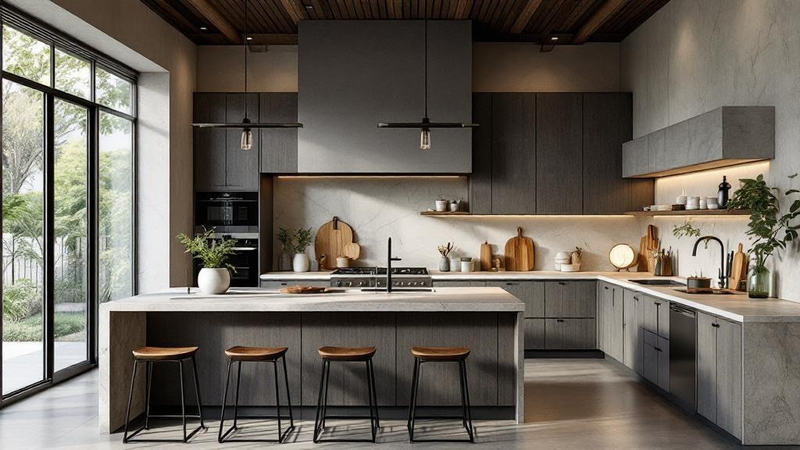
Why This Pairing Works
Why Wabi-Sabi works for your kitchen
A kitchen is primarily about cooking, food preparation, and often casual dining. Wabi-Sabi brings beauty in imperfection to this space, creating an environment that feels energising and efficient. The style's emphasis on weathered, aged materials pairs naturally with the kitchen's need for task-focused lighting. When it comes to durability, Wabi-Sabi works here because kitchen surfaces need very high — surfaces must resist heat, moisture, staining, and heavy daily use resistance, and the style's material palette accommodates that.
Design Elements
Key elements for your Wabi-Sabi kitchen
Anchor furniture
Choose a cabinetry that embodies Wabi-Sabi — beauty in imperfection. In a kitchen, this is the piece that sets the tone for everything else.
Supporting pieces
Add island or breakfast bar and countertops that reinforce the Wabi-Sabi aesthetic. Look for pieces with weathered, aged materials to build visual cohesion.
Colour application
Apply the Wabi-Sabi palette to your kitchen using the 60-30-10 rule: dominant colour on walls and large surfaces, secondary on upholstery and textiles, accent on decorative objects and hardware.
Lighting strategy
Kitchen lighting should be task-focused. For Wabi-Sabi, choose fixtures with muted, understated tones to reinforce the aesthetic.
Materials & textures
Since your kitchen needs very high — surfaces must resist heat, moisture, staining, and heavy daily use durability, select materials that align with Wabi-Sabi's palette — weathered, aged materials — while meeting the practical demands of the space.
Finishing touches
Complete your Wabi-Sabi kitchen with accessories that solve creating an efficient work triangle between sink, stove, and fridge. Consider bar stools and decorative elements that add personality without compromising the style's core principles.
Colour Palette
Wabi-Sabi colours
The signature palette for Wabi-Sabi spaces. Use the 60-30-10 rule: dominant colour on walls and large surfaces, secondary on furniture, accent on details.
Clay
#B0A090
Aged Wood
#6B5B4B
Unbleached Linen
#D4C4A8
Charcoal
#4A4A4A
Common Questions
Wabi-Sabi kitchen FAQs
What colours work best in a wabi-sabi kitchen?
A wabi-sabi kitchen typically uses weathered, aged materials. Apply your chosen palette with the 60-30-10 rule: 60% dominant neutral on walls, 30% secondary shade on furniture and textiles, and 10% accent colour on decorative details. This creates a cohesive wabi-sabi feel while ensuring the space remains energising and efficient.
How do I make a wabi-sabi kitchen feel energising and efficient?
Start with the core principles of Wabi-Sabi — beauty in imperfection — and adapt them to your kitchen's specific needs. Since a kitchen is primarily used for cooking, food preparation, and often casual dining, focus on balancing aesthetics with strict functional requirements. Layer in lighting that is task-focused to set the right mood.
What furniture should I choose for a wabi-sabi kitchen?
Key pieces for a wabi-sabi kitchen include cabinetry, island or breakfast bar, countertops. Look for furniture that features beauty in imperfection — the defining characteristic of the style. Since kitchen furniture needs very high — surfaces must resist heat, moisture, staining, and heavy daily use durability, choose materials that look the part while holding up to very high — often the busiest room in the home traffic.
Try It Yourself
See Wabi-Sabi in your own kitchen
Upload a photo of your kitchen and InteriorPro's AI will redesign it in Wabi-Sabi style — photorealistic results in under 30 seconds.
Redesign my kitchenExplore More
Other styles for your kitchen
Coastal
Coastal design captures the relaxed energy of the seaside with light, airy spaces, ocean-inspired hues, and natural woven textures.
→Farmhouse
Warm and welcoming, farmhouse style features shiplap walls, barn-door details, vintage accents, and a comfortable, family-friendly atmosphere.
→Bohemian
Free-spirited and eclectic, bohemian interiors layer vibrant textiles, global patterns, and an abundance of plants for a collected, artistic feel.
→Biophilic
Biophilic design prioritises the connection between humans and nature — living walls, abundant daylight, and natural materials bring the outdoors in.
→Ready to transform
your space?
Join thousands of homeowners and designers creating stunning interiors with AI.
Start designing