 InteriorPro
Minimalist
Minimalist Garden Design
Explore AI-generated Minimalist garden designs. Upload your room photo and get photorealistic results in under 30 seconds.
Redesign my garden in Minimalist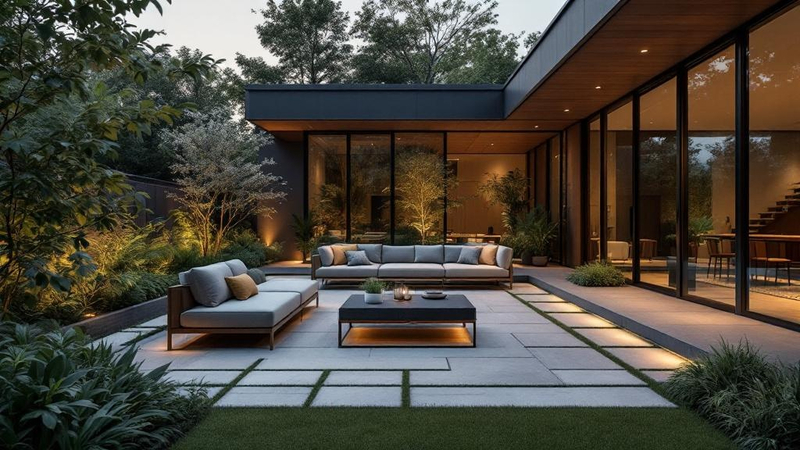
Why This Pairing Works
Why Minimalist works for your garden
A garden is primarily about outdoor living, planting, and landscaping. Minimalist brings pared-back furniture & decor to this space, creating an environment that feels natural, peaceful, and grounding. The style's emphasis on monochromatic colour schemes pairs naturally with the garden's need for subtle pathway and accent lighting lighting. When it comes to durability, Minimalist works here because garden surfaces need extreme — fully exposed to weather, soil, and organic growth resistance, and the style's material palette accommodates that.
Design Elements
Key elements for your Minimalist garden
Anchor furniture
Choose a garden bench that embodies Minimalist — pared-back furniture & decor. In a garden, this is the piece that sets the tone for everything else.
Supporting pieces
Add pathway materials and raised beds that reinforce the Minimalist aesthetic. Look for pieces with monochromatic colour schemes to build visual cohesion.
Colour application
Apply the Minimalist palette to your garden using the 60-30-10 rule: dominant colour on walls and large surfaces, secondary on upholstery and textiles, accent on decorative objects and hardware.
Lighting strategy
Garden lighting should be subtle pathway and accent lighting. For Minimalist, choose fixtures with emphasis on negative space to reinforce the aesthetic.
Materials & textures
Since your garden needs extreme — fully exposed to weather, soil, and organic growth durability, select materials that align with Minimalist's palette — monochromatic colour schemes — while meeting the practical demands of the space.
Finishing touches
Complete your Minimalist garden with accessories that solve designing for year-round interest across seasons. Consider water feature and decorative elements that add personality without compromising the style's core principles.
Colour Palette
Minimalist colours
The signature palette for Minimalist spaces. Use the 60-30-10 rule: dominant colour on walls and large surfaces, secondary on furniture, accent on details.
Off-White
#FAFAFA
Warm Linen
#E8E4DE
Near Black
#1A1A1A
Sand
#C4B5A2
Common Questions
Minimalist garden FAQs
What colours work best in a minimalist garden?
A minimalist garden typically uses monochromatic colour schemes. Apply your chosen palette with the 60-30-10 rule: 60% dominant neutral on walls, 30% secondary shade on furniture and textiles, and 10% accent colour on decorative details. This creates a cohesive minimalist feel while ensuring the space remains natural, peaceful, and grounding.
How do I make a minimalist garden feel natural?
Start with the core principles of Minimalist — pared-back furniture & decor — and adapt them to your garden's specific needs. Since a garden is primarily used for outdoor living, planting, and landscaping, focus on blending hardscape and softscape cohesively. Layer in lighting that is subtle pathway and accent lighting to set the right mood.
What furniture should I choose for a minimalist garden?
Key pieces for a minimalist garden include garden bench, pathway materials, raised beds. Look for furniture that features pared-back furniture & decor — the defining characteristic of the style. Since garden furniture needs extreme — fully exposed to weather, soil, and organic growth durability, choose materials that look the part while holding up to variable — from daily garden walks to weekend entertaining traffic.
Try It Yourself
See Minimalist in your own garden
Upload a photo of your garden and InteriorPro's AI will redesign it in Minimalist style — photorealistic results in under 30 seconds.
Redesign my gardenExplore More
Other styles for your garden
Modern
Defined by clean geometry, open layouts, and a restrained material palette. Modern design strips away ornament to let form and function take centre stage.
→Scandinavian
Born in the Nordic countries, Scandinavian design balances warmth and simplicity with light wood, soft textiles, and an abundance of natural light.
→Contemporary
Contemporary design reflects what is current right now — fluid shapes, mixed materials, and a sophisticated palette that evolves with the times.
→Transitional
The best of both worlds — transitional style bridges traditional elegance and modern simplicity with tailored furniture and a muted, timeless palette.
→Ready to transform
your space?
Join thousands of homeowners and designers creating stunning interiors with AI.
Start designing